Tuesday, 10 January 2017

Nuclear activities in France


    France started nuclear production in 1956 building the first nuclear reactor “Uranium Naturel Graphite Gaz” (or “UNGG”) in Marcoule.

    It was the beginning of the electronuclear program launched by “ElectricitĂ© de France” the national provider of electricity in order to ensure a large electricity production.
    After the success of the first UNGG reactor, six reactors were built making electricity production of a unity grown from 70MW (Mega Watt) to 540MW.
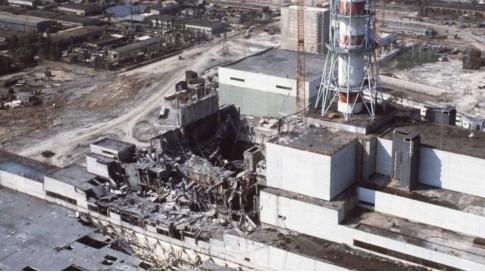
    This electronuclear program leaded France as the second world producer of nuclear electricity, even if some major crisis likes the Tchernobyl explosion in 1986 has slowed down the development.
    In fact, France government and E.D.F. had to think about the next generation of nuclear reactor in order to reduce the risk of major crisis, and ensure a bigger electricity production.
    Considering this, France and UE launched the EPR (European Pressured Reactor) between 1990 and 2000.
    The difficulty of this project leaded to important delays (first French reactor should work in 2018 instead of 2012 initially), and the cost is actually of 10.5 billion euros…

Monday, 9 January 2017

OUR FELLOW STUDENTS ARE NOW AWARD WINNERS


On December 14th of 2016 was held the fourth edition of the Dismantling Conferences. There, around 250 professionals discussed the future of the field.
During the morning, several conferences were held. It was the opportunity for guests to show their point of view and their ideas to improve dismantling in general. For example this year they made a round table discussion about the implementation of numeric technologies in the dismantling process and a second one about system engineering integration.
During the afternoon guests would meet other people thanks to a “speed dating-like” organization . Everybody could meet other professionals and make a kind of benchmark. It is an unique opportunity to see what other parties are doing and what their views are for the future of dismantling.
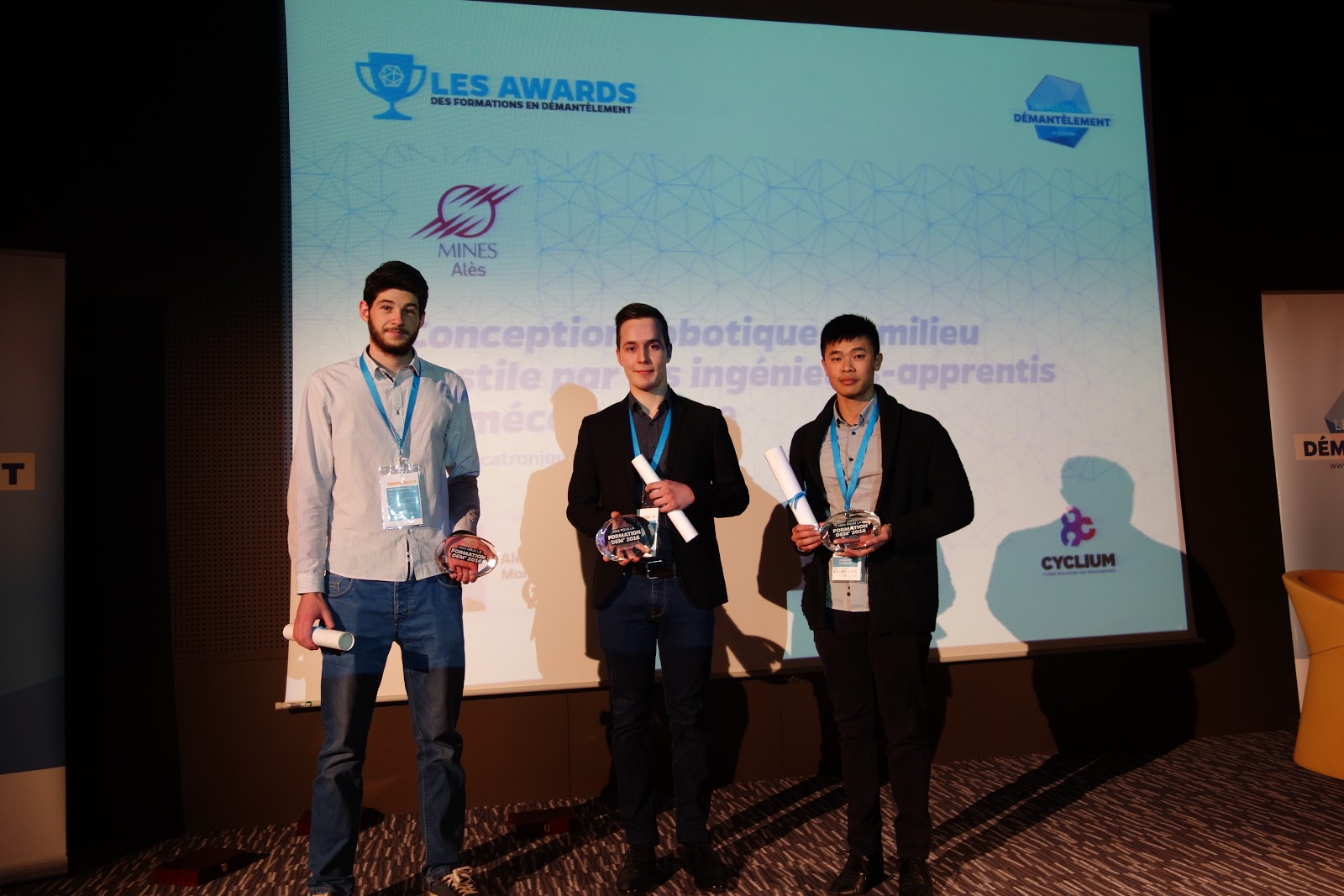
Three awards were given through the meeting. Three apprentices from our promotion are proud to received one. The goal of awarding a trophy to students is to encourage academic training and projects about the dismantling. It is the case of the RICA IV project and the Zumo Robot project we managed early 2016. It was a great opportunity to show to professionals of this field that Mechatronics are relevant and useful for their companies, it may be the start of great collaborations.

DSC00805.JPG

Our three award winning students : Philippe THUILLER, Maxime NAVES and Alexandre MONNY

Friday, 16 December 2016

SE architecture


System engineering use several tools but the most important are architectures.
During the first step of the design we create several architectures of each systems and subsystems. We work on this thanks to a software which allows us to link all aspects of the design (needs, requirements, functions, components...).
The two main architectures are the following:

- Functional architecture

The goal of this architecture is to link all functions of a system and specialy their input and output. So we can justify why each function is needed.  We also see the logic behind our system.


- Organic architecture

The goal of this architecture is to provide a global image of the system components. We can see all links between parts of the system and what their flows are. Thanks to this architecture it will be easier to choose the good component and to implement them together.
We make these kinds of architectures for all system and subsystem but also for the context of our system. It allows us to place our system of interest in its context and see with what it interacts.
So we obtain a complete draw of the system where everything is linked together following the rules below.

These architectures will create new needs and new requirements that are required by the system or forgotten by the customer.
A good architecture is obtained after several iterations to check if anything is forgotten and if everything is coherent and relevant. Then in order to be sure that everything is correct a "verification and validation" step is made by an other team. We will see this aspect of SE in a next article.


Thanks to these architectures we have a precise first design of the system and we can prove that all requirements of the customer are taken into account.

Wednesday, 23 November 2016

Cooperative robots


“We all do better when we work together. Our differences do matter, but our common humanity matters more.”

― Bill Clinton


We will put aside the humanity for now but, the rest of this quote pictures well the subject of this article. As we said in an older post, blind cells are very old rooms. Since their construction, a lot of scientific experimentations took place here over the years. The result of this is that the ground of the cells are filled with a lot of garbage and contaminated dust.  Even for a tank robot it's hard to move in this kind of environment and it can also cause contamination.

So an important need is highlighted here and it is to clean the way before the dismantling robot RICA. Implementing this would avoid the potential surface contamination of the robot. It will improve the survival of  electrical components and simplify the clean-up process of the robot.

One solution to answer this need is to add some pushing robots that will have to push the objects out of RICA’s path. Those little robots will have to collaborate with each others to help the RICA to move properly in the cell.

Therefore the realisation of those little robots was a subproject of the big project RICA IV that our class has to realise. During our first year of formation we had to create the first prototype of those cooperative robots. This first prototype was an academic project to make us apply our knowledge in programming and automation.

The specifications asks that five robots must be used, they're disposed in before the RICA in a row like we can see hereunder.

C:\Users\Paulo\AppData\Local\Microsoft\Windows\INetCache\Content.Word\Capture.png


The central robot has to control its position considering the RICA's, it has to stay before the RICA at a settled distance without losing the dismantling robot. Each of the four side robots is guided by the one who move before it, to their left for the robots located on the right and at their right for the ones located on the left. Each robot has to be able to work in any position of the row, so they have to work in different modes that can be switched easily.

The class was divided in 5 groups, each group had to create one robot, they had to work together and with the RICA.

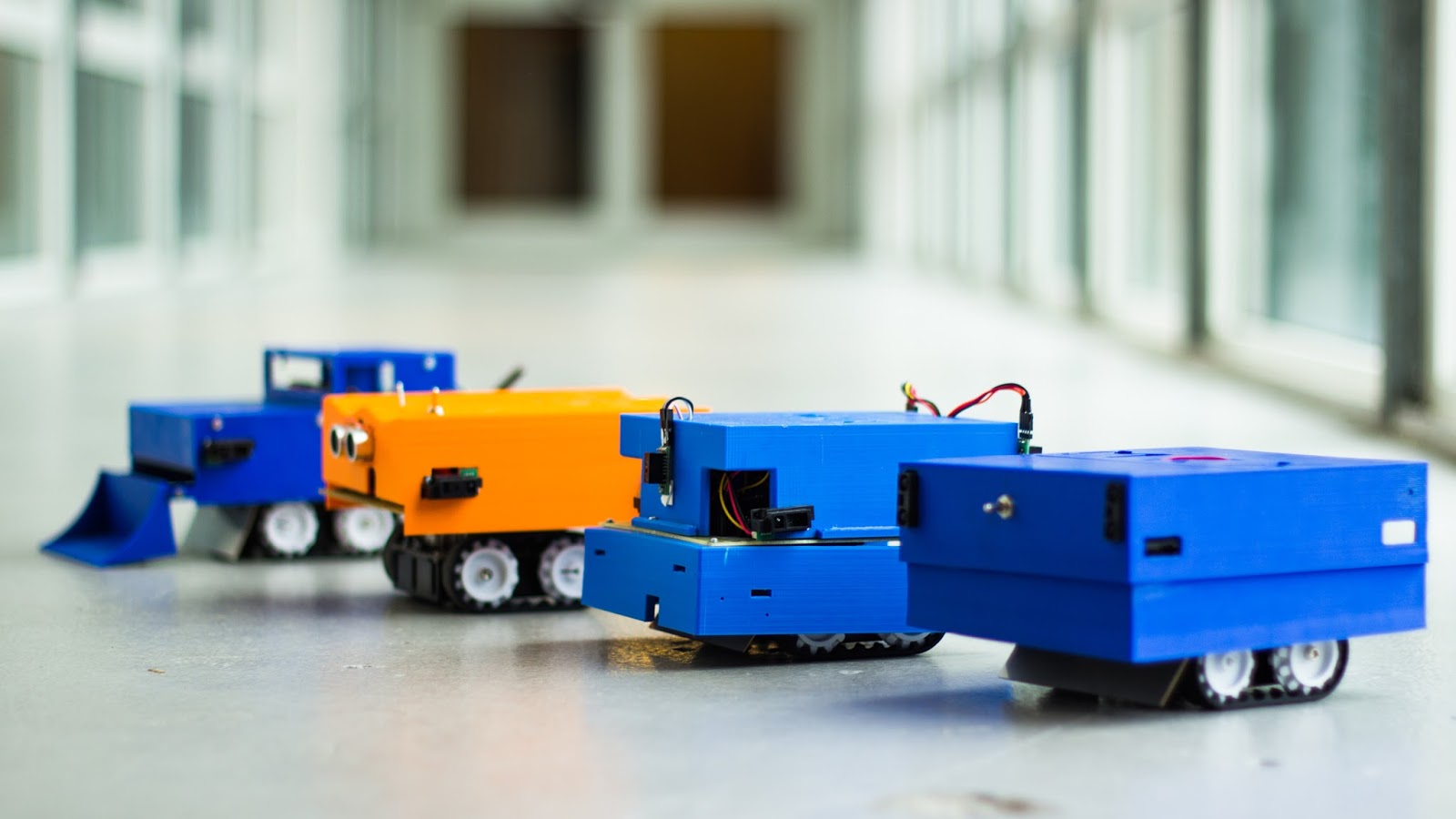
Unfortunately we did finished this project with four robots instead of five because a group had Human Ressource problems. In the end all the four robots were working and were physically different, it illustrates the distinct points of view of each group.

The next step to improve those robots would be to set up a wireless communication between them and an artificial intelligence to get real autonomous robots that can organize each other without human help.


[soon : link to video of robots working together]
[soon : link to robots’ realization]

Monday, 7 November 2016

System Engineering

   System engineering (SE) is an important part of our studies and we use what we learn during these courses to develop the RICA IV project.
In this first article about SE we will present you the general concept, its main goal and why this is useful.


What is System Engineering (SE) ?

   SE bring together several methods and tools in order to define a system. The goal of this method is to identify precisely all the needs of the stakeholders in order to create a product which match with all the requirements of customers. It comes in the first step of the design process of a device but it takes into account all the life cycle of the product.


SE main steps

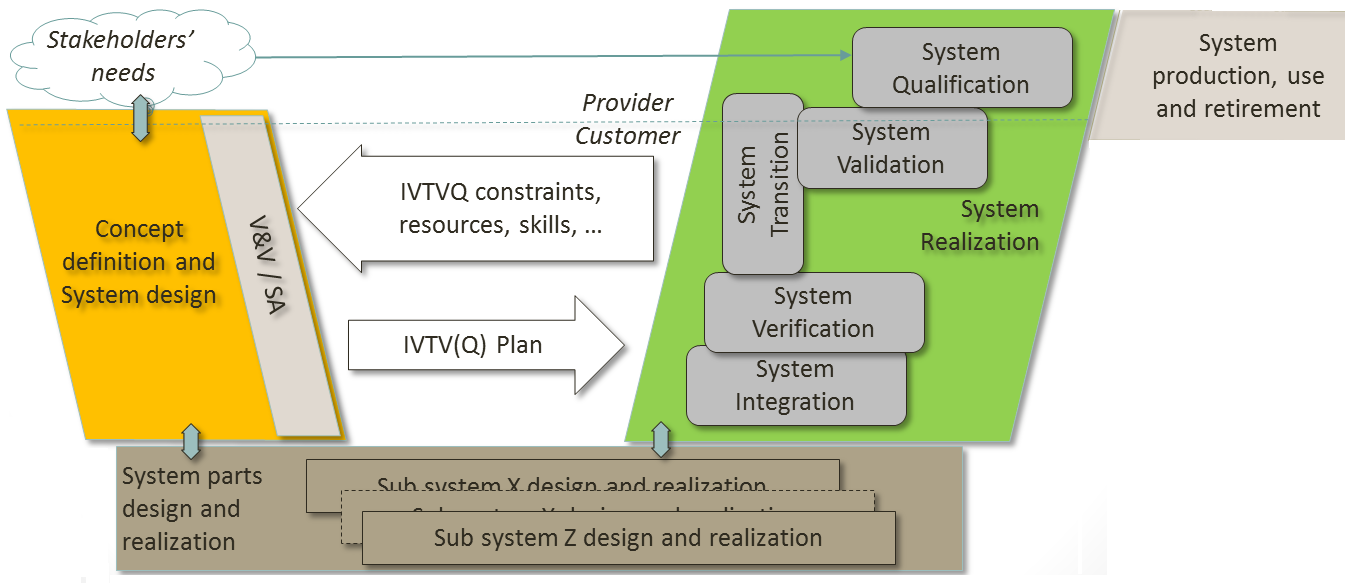
   SE begins at the first step of a project : the analysis of the specifications and the study of customers requirements. The major part of the work is during the concept definition and system design but for each important step of the product creation we go back to the SE in order to check if the product match with the customer expectations. SE integrate also a method to verify and validate everything in itself which guaranty the quality and the relevance of each information. We will see this aspect of the SE call V&V and IVTV in a specific article.
The general work through of the SE can be drawn like below.


The main goal

   The main goal of the SE is to design a new product without forgetting anything. The thorough analysis of the customer requirements allow the designer to create a product which match as good as possible with the expectations of the customer. Thanks to this method and its iterations we can avoid the discovery of a design mistake after the realisation of the product. So it avoid the consequences of this : a majoration of the cost and a waste of time.


Applications

   SE can be use for all industrial sector and for different project size. But it is more efficient for big project and for the creation of complex system. So it is perfectly adapted to the RICA IV project and to make us work together.